Ecological Green Space Maintenance: Shared Priorities from Practice
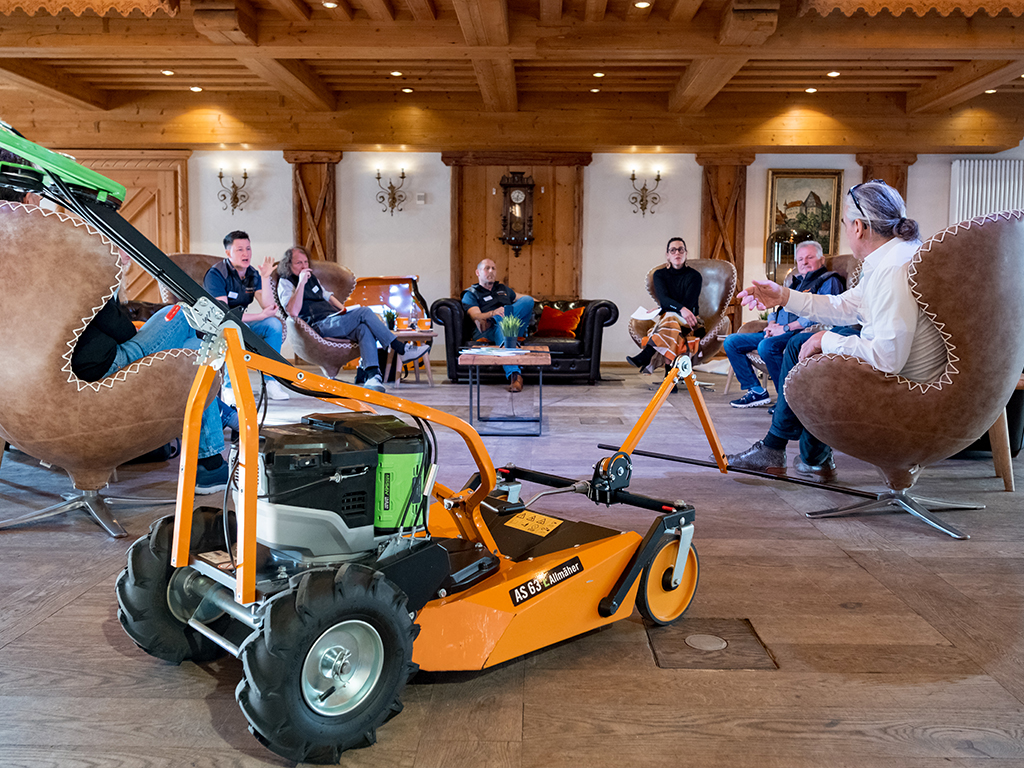
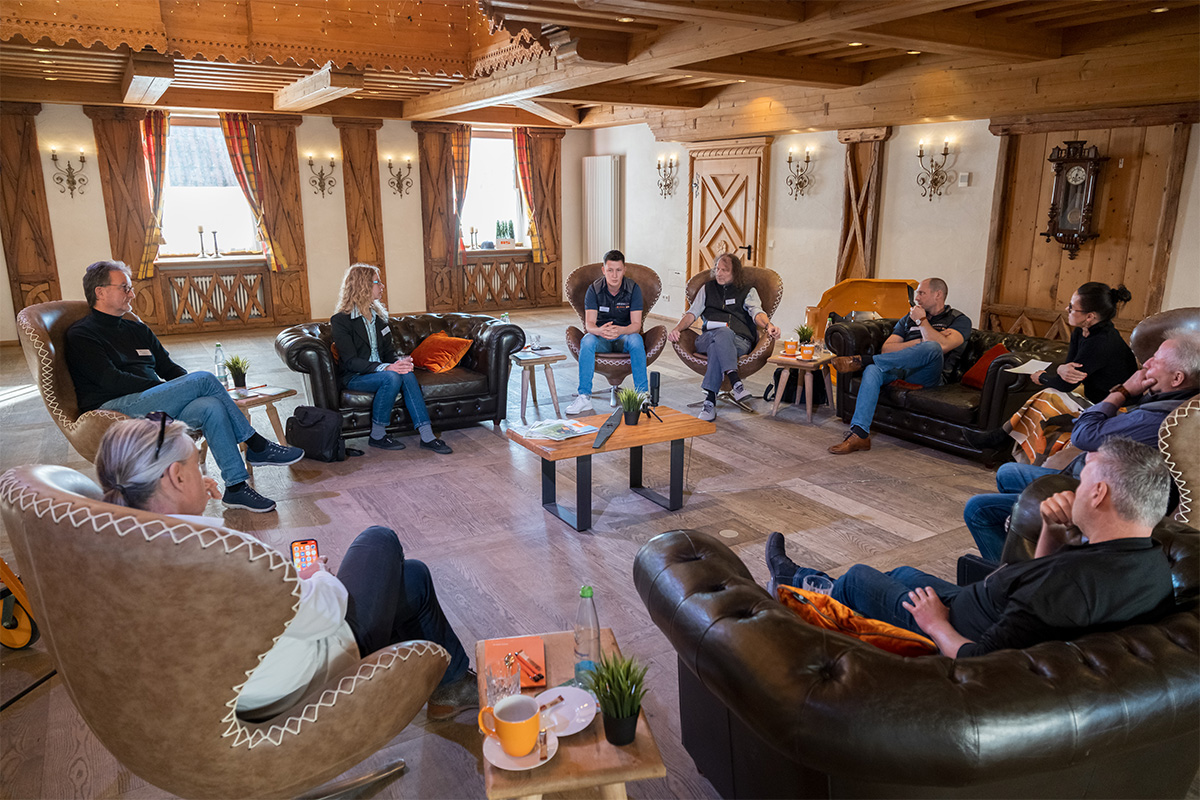
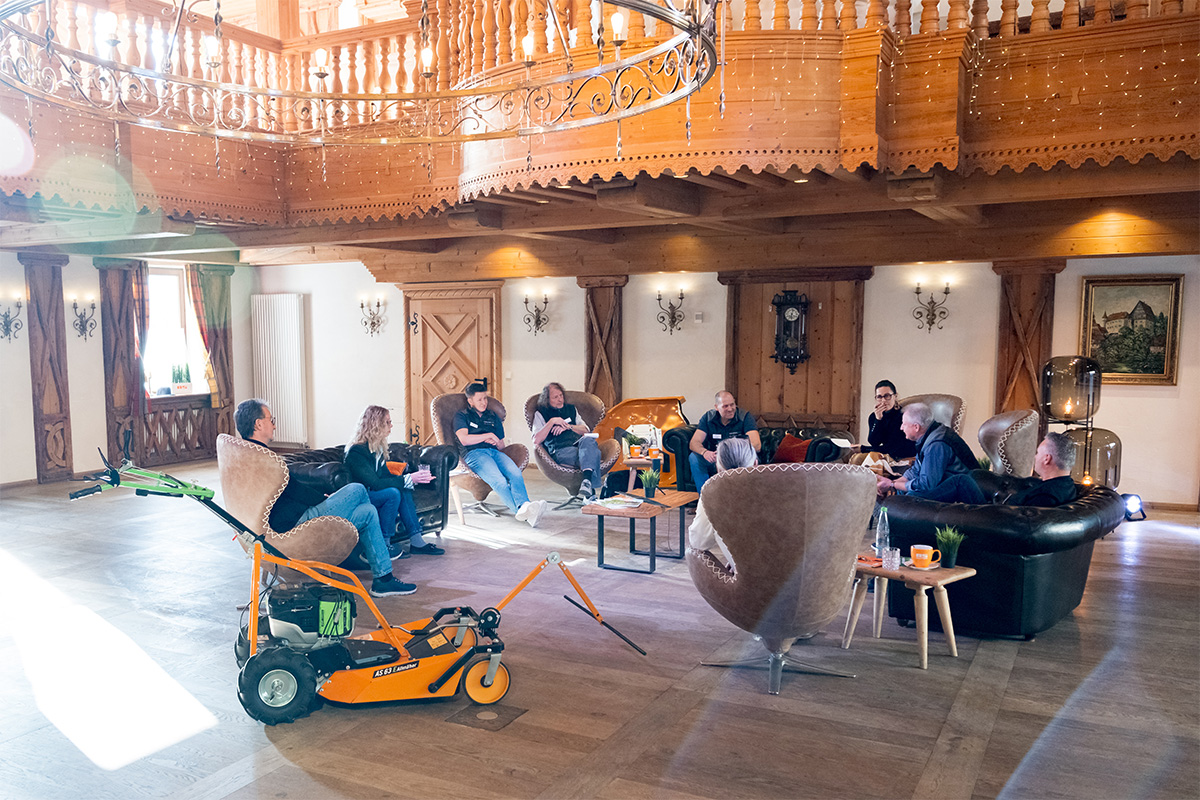
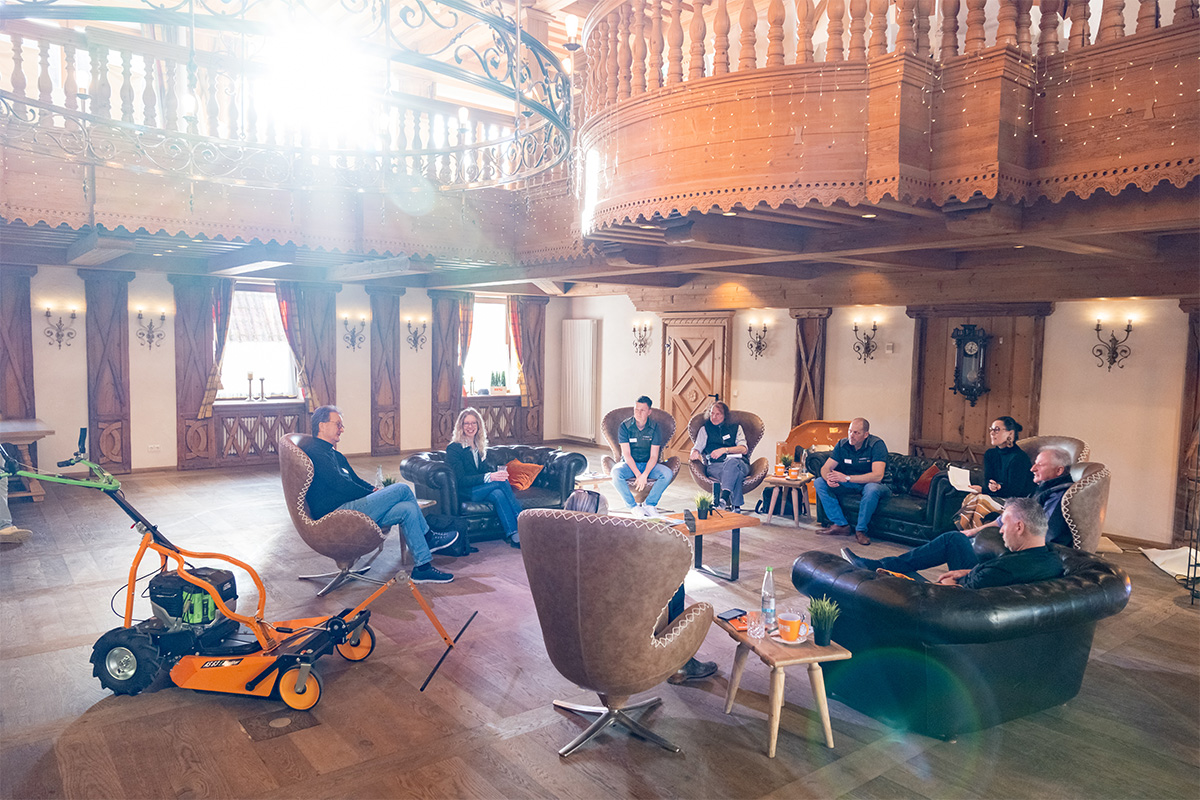
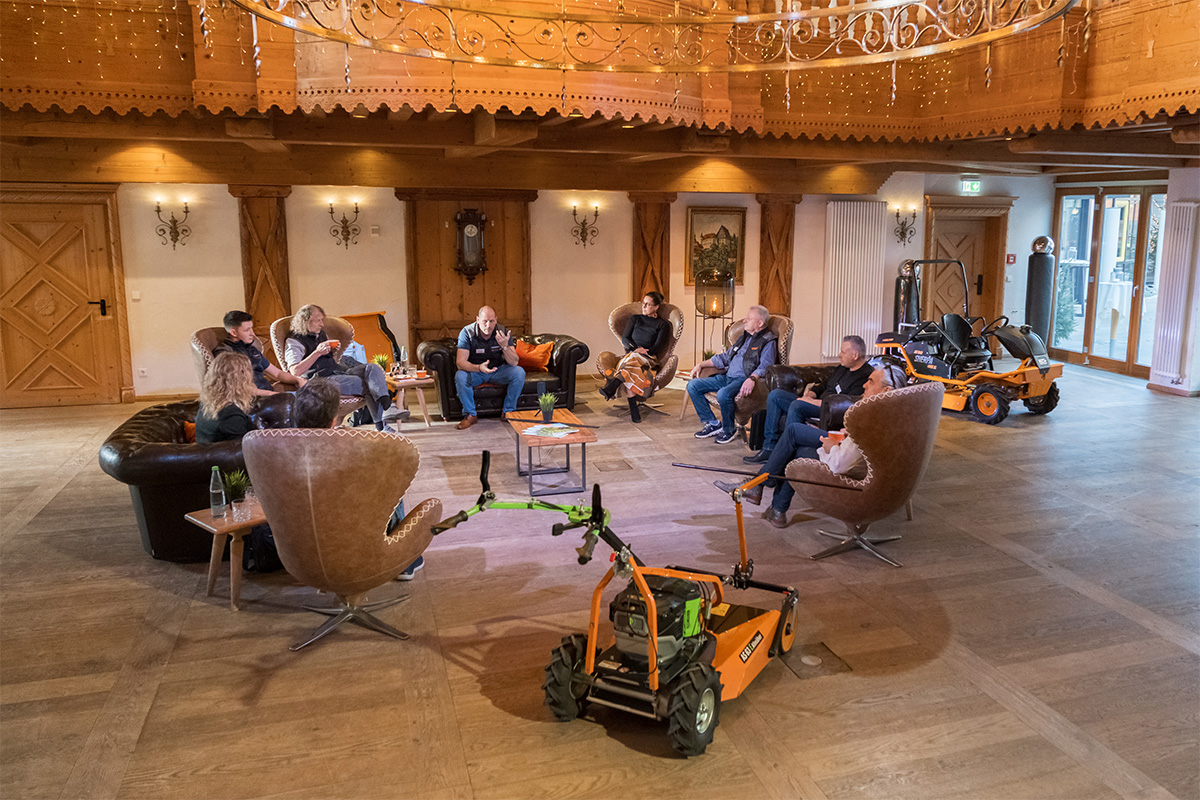
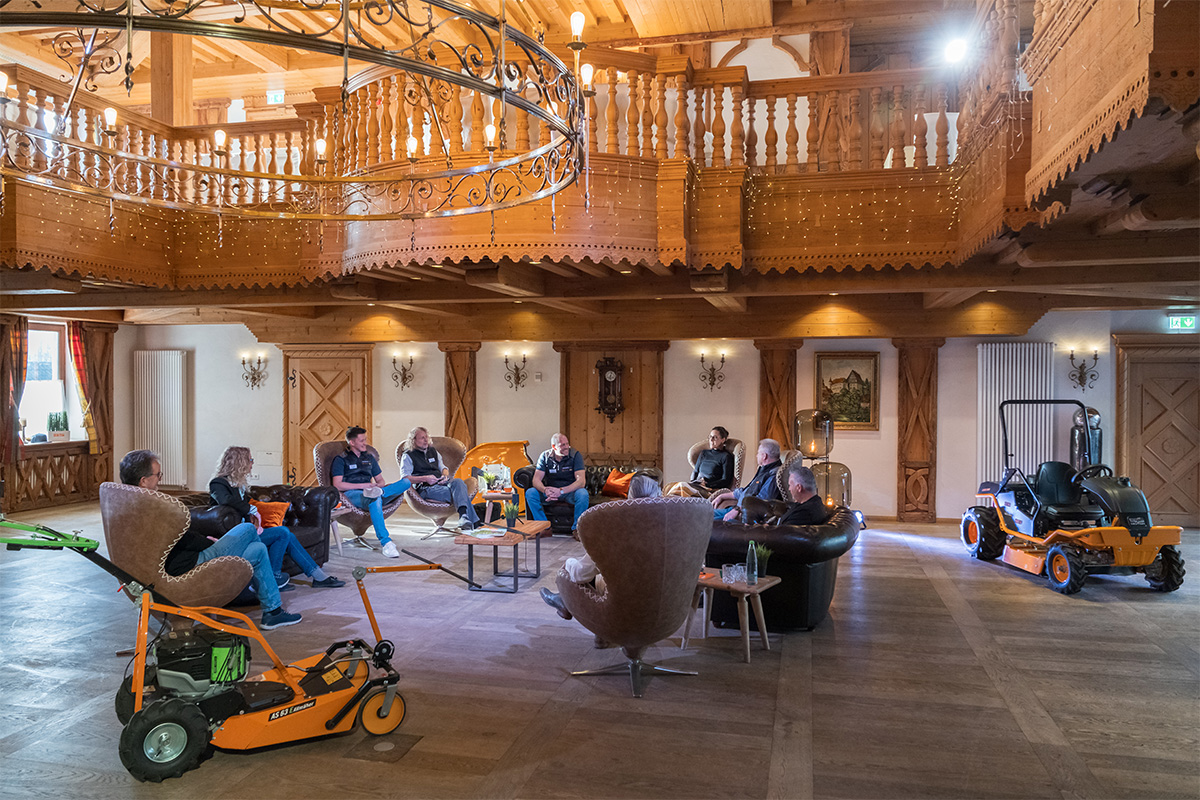
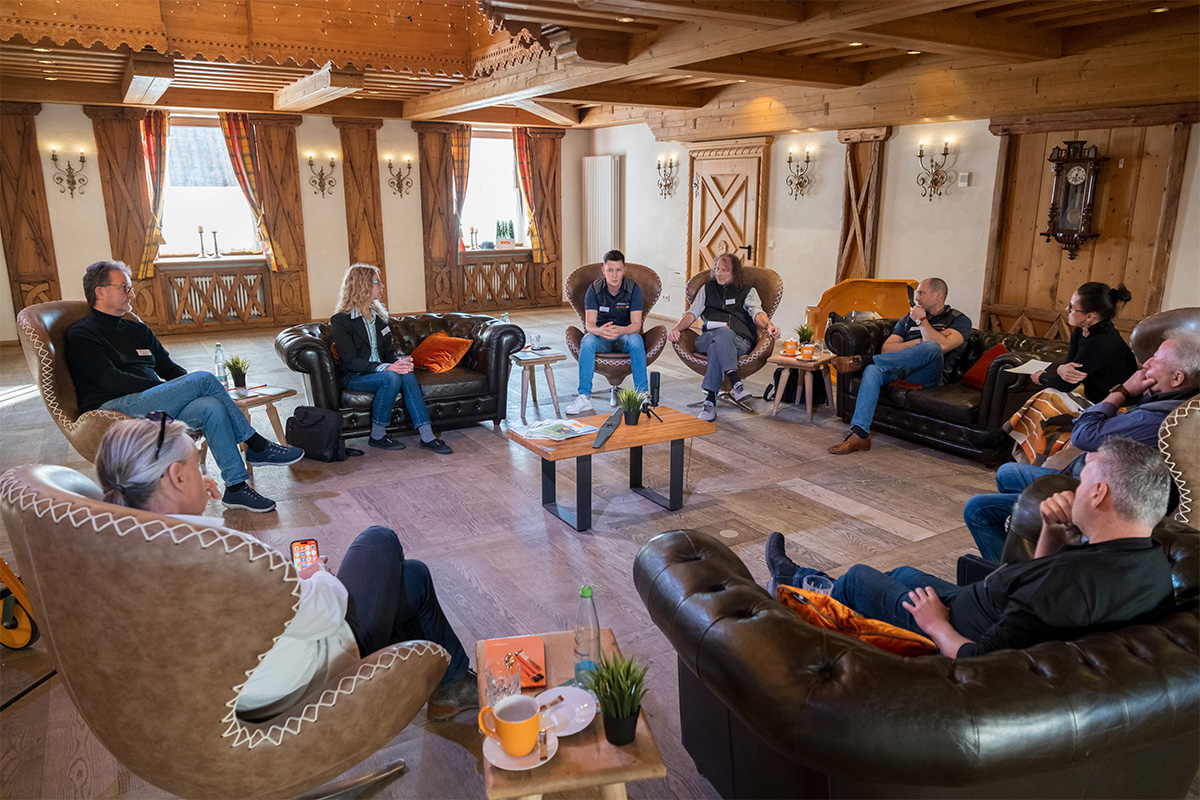
Ecological green space maintenance succeeds when objectives are clearly defined, responsibilities are shared, and measures are aligned with real-world conditions. This was the shared starting point of a professional exchange between representatives from science, municipal practice, landscape maintenance, the trade press and AS-Motor. This was the common ground reached during a specialist discussion among practitioners from municipal services, landscape maintenance, nature conservation, and technology.
The exchange focused deliberately on implementation rather than theory. Contributions from scientific research, municipal operations and daily maintenance practice made it clear where ecological ambitions meet economic, legal and organisational boundaries. Participants discussed where ecological ambitions collide with operational reality, which principles have proven effective in daily practice, and where clear agreements are essential to avoid misunderstandings – both on site and with the public.
Clear consensus: no maintenance is not a strategy
One point was undisputed. From both scientific and municipal perspectives, represented among others by Prof. Dr. Martin Döring and Dr. Jörg Morhard, completely abandoning maintenance does not deliver ecological value. Completely abandoning maintenance does not deliver ecological value. Unmanaged areas tend to become overgrown, lose structural diversity, and are eventually dominated by a small number of species. From a practical perspective, this undermines biodiversity goals and creates new management challenges.
The shared view was that ecological green space requires active, planned intervention. The decisive factor is not whether maintenance takes place, but how it is designed and sequenced over time.
Prioritisation instead of blanket measures
Another key agreement concerned prioritisation. Practitioners such as Johannes Köder and Markus Burger emphasised that limited resources require conscious decisions about where ecological measures have the greatest effect. Treating all green spaces the same was widely rejected. Instead, participants agreed that ecological impact is highest where maintenance focuses on areas with a strong function for habitat connectivity and species movement.
The discussion underlined that limited resources must be directed where they make a measurable difference. This requires conscious decisions about which areas receive ecological treatment and which remain primarily functional or recreational.
Differentiated mowing concepts as a shared standard
There was broad alignment on mowing strategies. The discussion, shaped by practical experience and scientific input alike, highlighted differentiated mowing concepts as a shared operational standard. Fixed schedules and full-area cuts were seen as incompatible with ecological objectives. In contrast, differentiated concepts were considered best practice.
These include staggered mowing, rotational cycles, and the deliberate preservation of refuge areas during each pass. Such approaches balance operational feasibility with ecological benefit and were repeatedly cited as workable compromises in daily operations.
Technology as an enabler, not a goal
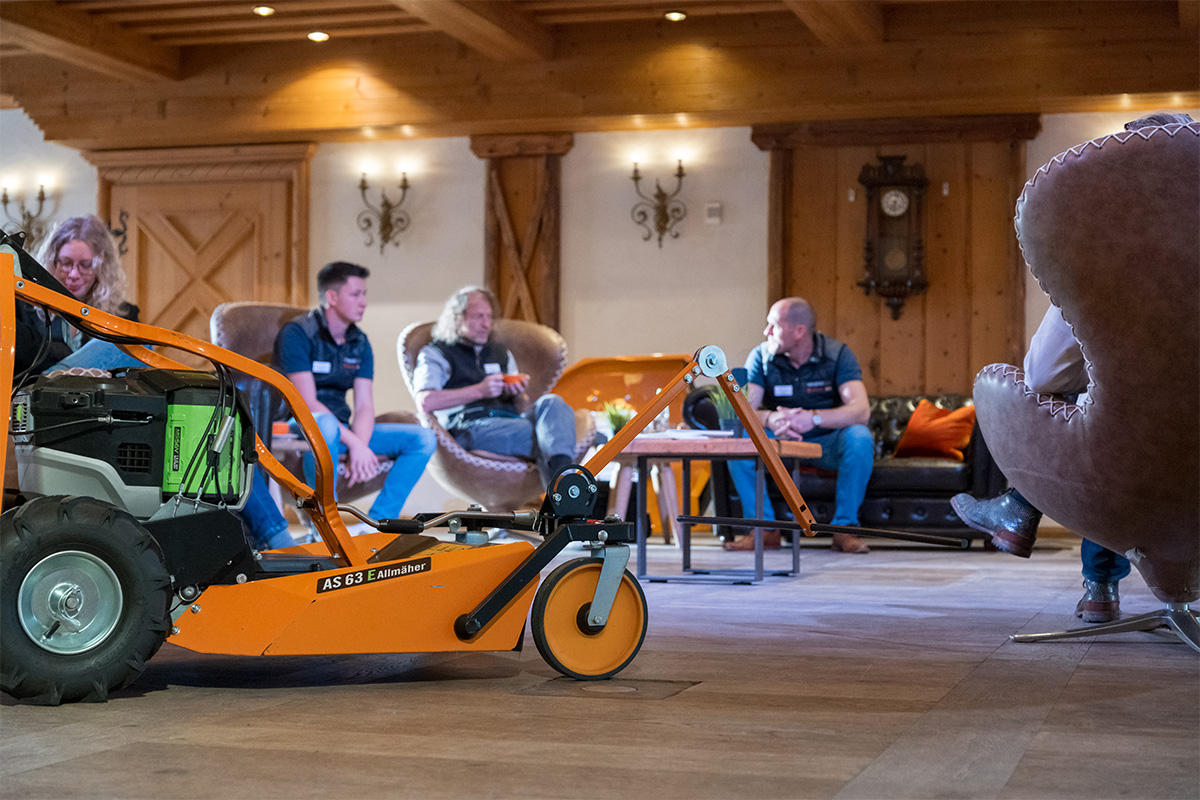
The role of technology was discussed with similar clarity. From the manufacturer’s perspective, Georg Fuchs, Senior VP development / PM / Marketing AriensCo EMEAA, and Jonas Bay, PM AriensCo EMEAA, underlined that machines must support the maintenance concept, not define it. No single machine or method was presented as universally suitable. Participants agreed that technology must follow the maintenance concept, not define it.
Choosing between different mowing systems depends on vegetation type, timing, terrain, and the intended ecological outcome. Using the wrong technology at the wrong moment was identified as a frequent cause of unintended negative effects.
Communication as a decisive success factor
Beyond technical measures, communication emerged as a central theme. Media representatives Tjards Wendebourg and Julia Bächtle pointed out that public perception often determines whether ecological measures are accepted or questioned. Ecological maintenance often changes the visual appearance of green spaces, which can trigger criticism if intentions are not understood.
There was strong agreement that acceptance depends on transparency. Clear explanations, visible structure, and consistent messaging help convey that ecological areas are managed intentionally, not neglected. Without this, even well-designed concepts risk losing public support.
Shared understanding, not rigid rules
The discussion concluded with a common position, moderated by Ursula Brenner, Spokesperson AriensCo EMEAA. Ecological green space maintenance cannot be reduced to rigid rules or ideological positions; it depends on professional judgement, local knowledge and continuous dialogue between all stakeholders involved. Ecological green space maintenance cannot be reduced to fixed rules or ideological positions. It requires professional judgement, local knowledge, and continuous adjustment.
What united all participants was the conviction that successful ecological maintenance is the result of coordinated planning, informed execution, and ongoing dialogue between all stakeholders involved.